
 See Our Latest Article on HelloNation
What Causes Knee Pain for Residents in Henrietta, NY?
Knee pain stems from many sources, often a blend of everyday wear, injuries, weight, and local seasonal patterns. In the community, common triggers include increased stair use in multi-level housing, slips on wet walkways in autumn or icy conditions through winter, and muscular imbalances related to work or hobbies. Many assume only athletes or older adults experience knee pain, but it can affect anyone.
Sometimes, knee discomfort results from overuse—such as gardening, long walks at parks, or playing with children outdoors. Other times, it's related to arthritis or mild injuries that never fully heal. Recognizing these causes helps area households address issues early before pain becomes chronic.
Can Everyday Habits Make a Difference?
Simple, mindful changes often reduce discomfort even before considering therapy or medicine. Good habits make a real difference:
- Wearing supportive shoes with cushioning (especially during the region’s damp, cold weather) reduces impact forces
- Avoiding prolonged kneeling or deep squats when shoveling driveways or tending gardens
- Taking breaks when walking long corridors in large campus or shopping settings, which are common in the city
- Using railings on stairs, especially in split-entry or two-story homes
A common misconception is that rest alone will cure knee pain. In reality, gentle movement and muscle engagement are typically more helpful than complete inactivity.
What Role Do Stretching and Strengthening Exercises Play?
Regular stretching and strengthening exercises help reduce pain by stabilizing the knee and improving mobility. Gentle routines, performed at home, suit most lifestyles:
- Quadriceps stretches (standing or lying down)
- Calf stretches facing a wall to loosen lower leg muscles
- Simple glute or hamstring bridges for hip and thigh support
Strengthening surrounding muscles (especially those in the thighs, hips, and calves) reduces stress on the knee joint itself, supporting healthy, pain-free movement for activities like walking local trails or climbing common split-level home stairs.
Are There Hands-On Techniques That Help?
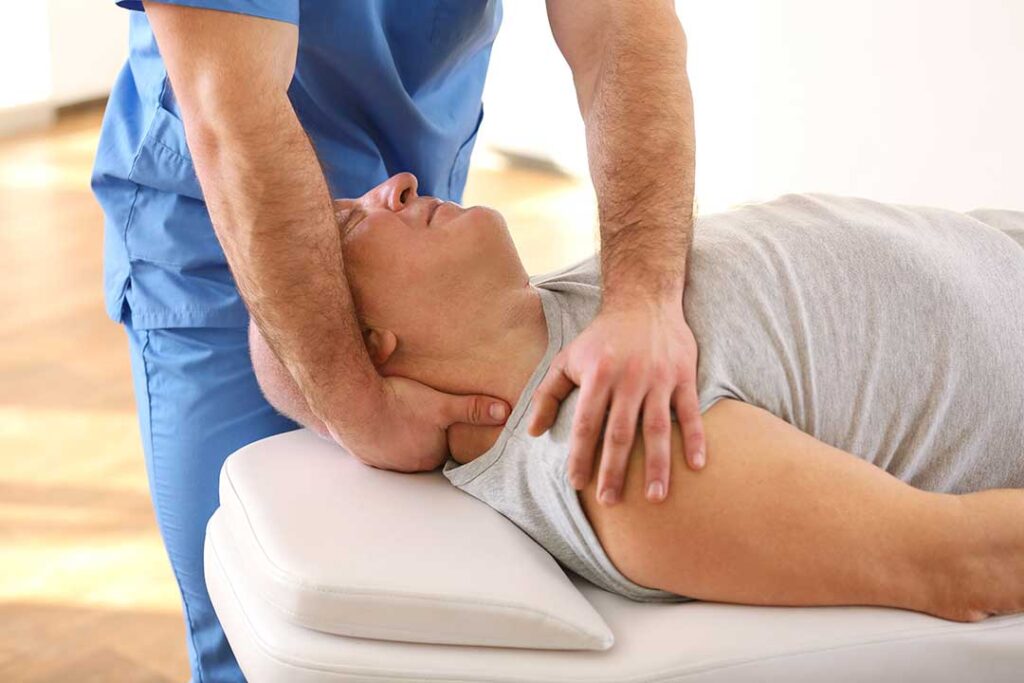
Several manual approaches, often recommended by chiropractors or physical therapists, offer relief:
- Self-massage around the thigh or calf—not directly on swollen joints—can ease tension
- Gentle patellar (kneecap) mobilization using slow, small circles with the fingers
- Soft tissue rolling with a foam roller or rolling pin to relax the front and side thigh muscles
These techniques increase local circulation and may decrease stiffness, especially during colder seasons when joints can feel restricted. They are generally safe for most people, but any sharp or persistent pain should prompt a pause.
What Lifestyle Factors Affect Knee Health in This Area?
Local housing design, typical weather, and daily routines all impact knee stress:
- In colder months, warming up before shoveling snow or taking long walks is crucial
- For those driving often or sitting in office settings, standing and stretching several times each hour helps prevent tightness
- Carrying groceries or heavier loads up steps is common; distributing weight evenly in bags or using carts when possible eases joint strain
Keeping a healthy weight is also important, as even small changes can reduce stress on the region’s most used joints.
How Useful Are Ice, Heat, and Topical Approaches?
Comfort measures like ice and heat remain practical at home. Ice packs, wrapped in a towel, help reduce swelling and numb sharp pain after activity. Warm towels or a heating pad may soothe stiffness or aching muscles surrounding the knee.
In the city, where daily routines sometimes include both stationary and active segments, alternating between ice for new aches and heat for morning stiffness is commonly effective. Topical creams with menthol or arnica are often chosen for mild relief. However, these do not “fix” underlying problems—they simply offer comfort alongside movement and strength exercises.
Should Residents Be Concerned About When Pain Signals Something Serious?
Not all knee pain warrants urgent attention. However, some signs mean it’s safer to stop self-care and seek evaluation:
- Sudden, severe pain with swelling after a fall or direct blow
- Inability to put weight on the leg
- Noticeable deformity or locking of the joint
- Redness, heat, or fever with pain (could suggest infection)
While most everyday aches resolve with mindful practices, unusual or worsening symptoms should not be ignored.
Are Assistive Supports or Braces Helpful?
For some, assistive supports make routine tasks safer and more comfortable. Light compression sleeves may offer gentle stability for periods of increased activity, such as walking longer distances or working around the home. Temporary use of braces can also prevent overuse if an old injury flares up.
It is common for local residents to use canes or trekking poles for balance when hiking or walking uneven local paths. These should fit comfortably and not replace muscle strengthening routines.
How Can People in Henrietta Adjust Activities Year-Round?
Varied weather and seasonal chores pose unique challenges for knee comfort:
- When winter brings snow, using snow-melt or sand on driveways reduces slip risk
- Switching to indoor walking routes at area gyms or malls during icy months keeps joints moving safely
- Pacing activities that require kneeling or squatting, especially in gardening season, helps avoid overuse
Staying mindful of footwear, warming up, and transitioning gradually between physical tasks supports healthy knees in every season.
