
 See Our Latest Article on HelloNation
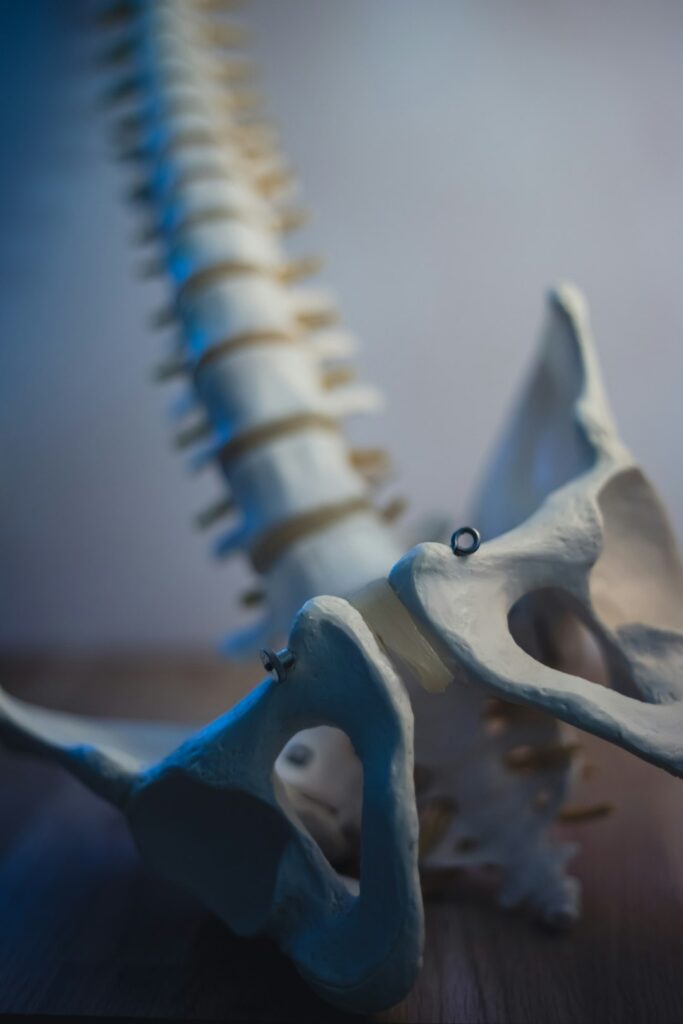
As a chiropractor serving the vibrant town of Henrietta, NY, I see many residents come through my clinic seeking relief from pinched nerves. Whether it’s the result of long workdays in Rochester’s office spaces, heavy lifting in local warehouses, or hours spent enjoying Henrietta’s beautiful parks and recreational facilities, pinched nerves are a common yet preventable ailment. Here’s how you can protect yourself and keep living life to the fullest in our unique community.
Understanding Pinched Nerves
Pinched nerves occur when nearby tissues—like bones, cartilage, muscles, or tendons—apply too much pressure to a nerve. This pressure disrupts the nerve’s function, leading to pain, tingling, numbness, or weakness. Common symptoms include shooting pain, a “pins and needles” feeling, or muscle weakness, often in the neck, back, or limbs.
Why Are Pinched Nerves Common in Henrietta, NY?
Henrietta’s central location brings together students, professionals, and active families. Many residents work in physically demanding jobs or commute daily, while others stay busy with leagues at the local recreation center and outdoor activities around Tinker Nature Park and Veterans Memorial Park. This high level of activity and variety in work and play means that muscles and joints are regularly under stress—a perfect recipe for a pinched nerve if proper care isn’t taken.
Best Practices to Prevent Pinched Nerves
1. Ergonomic Workstations for Home and Office
With remote work on the rise in Henrietta, many people are spending more hours at their desks. Setting up a proper workstation can prevent excess pressure on nerves:
- Adjust your chair so your feet rest flat and your knees are level with your hips.
- Keep wrists straight and elbows close to your body when typing or using the mouse.
- Place screens at eye level to prevent excess neck bending or hunching.
2. Practice Good Posture Throughout the Day
Poor posture is a leading contributor to nerve impingement. Whether you’re waiting in line at Market Commons, carrying groceries from Wegmans, or sitting in a lecture hall at RIT, being conscious of your stance is critical.
- Stand tall with shoulders back and spine neutral.
- Avoid prolonged sitting; take breaks every 30-45 minutes to stretch and move.
3. Warm Up Before Physical Activity
From joining a pickup soccer game at the town park to tackling DIY projects at home, Henrietta residents are no strangers to physical activity. Always take a few minutes to stretch and warm up before any exertion:
- Focus on dynamic stretches that mimic the movements you’ll perform.
- Pay special attention to your neck, shoulders, lower back, and legs.
4. Make Movement a Daily Habit
Prolonged inactivity can be as damaging as overuse. Incorporate regular movement into your daily routine, especially if you’re sitting for much of the day.
- Take advantage of trails and parks in Henrietta for walking or biking.
- Consider community fitness classes at the Henrietta Recreation Center.
5. Lift Properly—Every Time

Whether you’re carrying boxes, children, or shopping bags, improper lifting is a top cause of pinched nerves.
- Bend at the knees, not at the waist.
- Keep items close to your body and avoid twisting while lifting.
- If you feel uncertain, ask for help or use a cart.
6. Maintain a Healthy Weight
Extra body weight puts increased pressure on spinal nerves, especially in the lower back. Henrietta has plenty of resources to support a healthy lifestyle—fresh produce at the farmer’s market, active community groups, and fitness facilities make it easier to maintain a balanced diet and consistent exercise schedule.
7. Manage Stress and Listen to Your Body
Mental stress often manifests physically, leading to muscle tension that can compress nerves.
- Try relaxation techniques such as deep breathing, meditation, or gentle yoga.
- If you experience early symptoms—like tingling or numbness—take a break and rest the affected area. Early intervention is crucial to prevent more serious nerve complications.
When to Seek Professional Help
If you experience persistent symptoms despite preventive measures—like numbness, severe pain, or muscle weakness—it’s important to consult a healthcare provider. A chiropractor can help diagnose the source of the problem, provide hands-on treatment, and offer guidance on preventing future nerve issues.
Frequently Asked Questions from Henrietta Residents
Q: Can certain activities in Henrietta increase my risk of pinched nerves?
A: Yes. Repetitive sports, heavy lifting, and long car commutes can all increase risk. Using proper technique and taking regular stretch breaks can lower that risk.
Q: What should I do if I feel numbness after shoveling snow or yard work?
A: Stop the activity immediately. Apply ice if there’s swelling and rest the affected area. If numbness lasts more than a few hours or is accompanied by weakness, seek care.
Stay Active and Nerve-Free in Henrietta
Our town is full of opportunities for work, play, and community involvement. By taking these practical steps, you can reduce your risk of pinched nerves and enjoy the best that Henrietta has to offer—from nature walks to softball leagues and everything in between. Remember, prevention is always easier than treatment. Prioritizing your nerve health will help you stay active, mobile, and pain-free, no matter how busy your Henrietta lifestyle becomes.
