
 See Our Latest Article on HelloNation
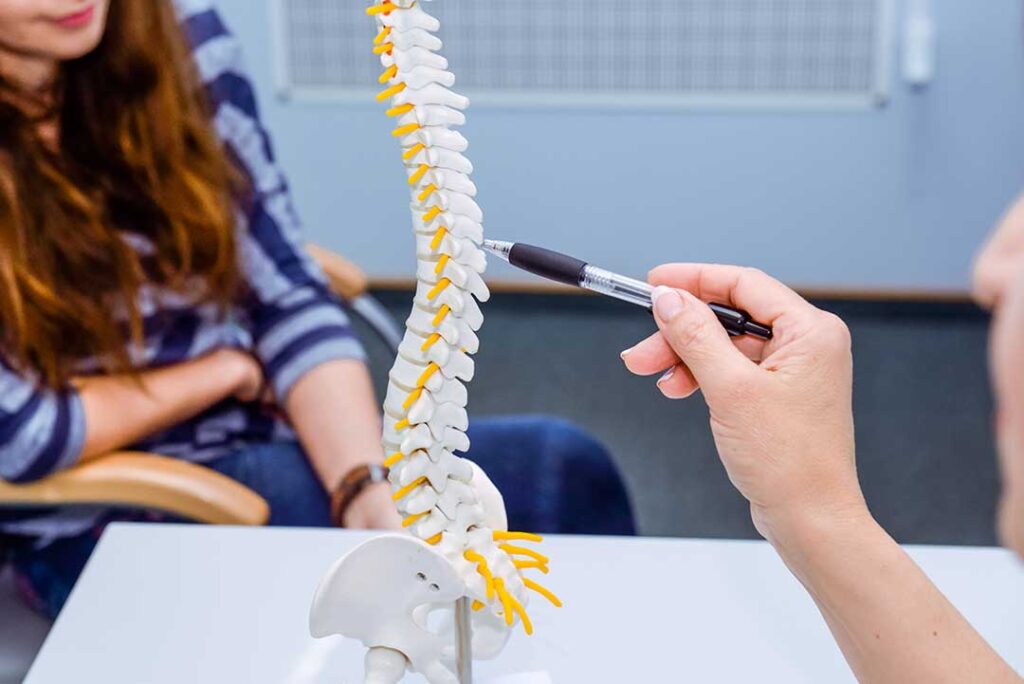
Jaw pain is often treated as a dental or joint problem, but the muscles and nerves of the jaw, neck, and upper back work as a connected system. For residents of Henrietta, NY, understanding that relationship can help distinguish ordinary muscle tension from symptoms that need dental, medical, or urgent evaluation.
How are the jaw and spine connected?
The jaw is connected most directly to the upper cervical spine through shared muscles, nerves, movement patterns, and pain pathways. The temporomandibular joints, or TMJs, sit just in front of the ears and guide opening, closing, chewing, and speaking. Muscles that control the jaw also attach around the skull, neck, shoulders, and upper back.
When one area becomes irritated, nearby muscles may tighten to protect it. A person with jaw pain may begin holding the head differently, clenching the teeth, or limiting neck movement. In the other direction, prolonged neck tension may increase activity in muscles that help stabilize the jaw.
Research supports an association between temporomandibular disorders, neck disability, reduced neck endurance, and limited cervical movement. However, that does not prove that poor posture or a “misaligned spine” directly causes every case of jaw pain. Evidence about head and neck posture remains mixed, so the relationship is better understood as interactive rather than a single-cause problem. ([pubmed.ncbi.nlm.nih.gov](https://pubmed.ncbi.nlm.nih.gov/33218570/?utm_source=openai))
What symptoms suggest that jaw pain may involve the neck?
Jaw-related symptoms may include:
- Aching in the jaw joint or chewing muscles
- Pain that spreads toward the cheek, temple, ear, or neck
- Stiffness or difficulty opening the mouth
- Painful clicking, popping, or grating
- Headaches around the temples or back of the head
- Neck soreness, reduced rotation, or shoulder tension
- Jaw fatigue while chewing or talking
The National Institute of Dental and Craniofacial Research describes temporomandibular disorders as a group of more than 30 conditions involving the jaw joints, chewing muscles, or related structures. Symptoms can overlap with headaches, back pain, sleep problems, and other persistent pain conditions. ([nidcr.nih.gov](https://www.nidcr.nih.gov/health-info/tmd?utm_source=openai))
A painless click does not automatically mean that the joint is damaged. Clicking and popping without pain are common and often do not require treatment. Pain, locking, a restricted range of motion, or a noticeable change in the way the teeth meet deserves more attention.
Can posture, desk work, or phone use contribute?
Sustained positions can increase muscle workload, especially when the head is held forward for long periods. A resident working at a computer, reading on a phone, driving, or doing winter activities that encourage shoulder and neck tension may notice more jaw clenching by the end of the day.
Posture is not a diagnosis by itself. Sitting upright all day will not necessarily correct a jaw disorder, and there is no single “perfect” spinal position. The more useful question is whether a position is held too long and whether movement changes the symptoms.
Helpful habits include:
- Keep screens near eye level rather than repeatedly bending the neck.
- Change position regularly instead of trying to maintain one rigid posture.
- Let the teeth rest slightly apart when not eating; the lips can be gently closed.
- Avoid chewing gum, nail biting, and holding objects between the teeth.
- Notice whether clenching occurs during concentration, driving, exercise, or stressful tasks.
- Use comfortable warmth over tense jaw or neck muscles if it provides relief.
Seasonal routines can matter locally. Colder weather may lead to more shoulder elevation, heavier clothing, indoor screen time, and less movement during the day. These factors may increase muscle tension without indicating a structural spinal problem.
What can a chiropractor evaluate?
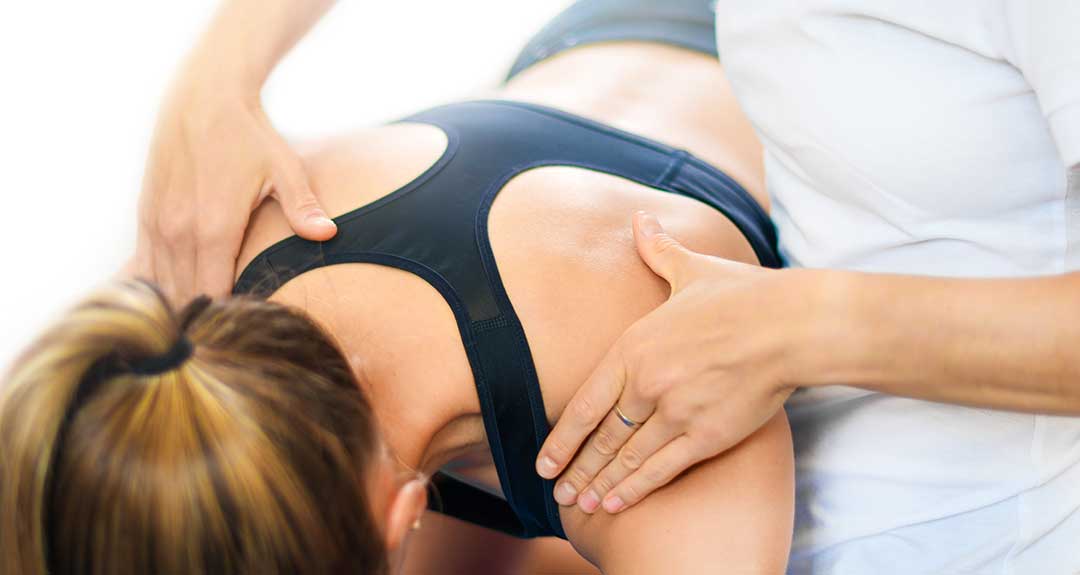
A chiropractor may assess the neck and upper back for movement limitations, muscle tenderness, joint sensitivity, and patterns that may be contributing to discomfort. A careful evaluation should also ask about jaw movement, headaches, dental symptoms, injury, medications, sleep, and other health conditions.
The assessment should not assume that every jaw problem originates in the spine. TMDs can involve the jaw joint, chewing muscles, stress-related clenching, injury, arthritis, or other causes. NIDCR notes that no single widely accepted test diagnoses every type of TMD, and symptoms may need to be evaluated alongside dental and medical causes. ([nidcr.nih.gov](https://www.nidcr.nih.gov/health-info/tmd?utm_source=openai))
Depending on the findings, conservative care may include education, movement advice, gentle exercises, and strategies to reduce unnecessary muscle guarding. Any hands-on treatment should be comfortable and appropriate to the person’s history. Forceful manipulation of the jaw or neck is not automatically warranted simply because pain is present.
Dental evaluation is especially relevant when pain is linked to a tooth, chewing, temperature sensitivity, swelling, a changed bite, or persistent jaw locking. Physical therapy may also be considered when neck movement, muscle endurance, or coordination are significant parts of the problem.
What self-care is generally reasonable?
For recent, mild symptoms, conservative measures are usually preferred. NIDCR lists soft foods, heat or cold, gentle jaw exercises when appropriate, short-term over-the-counter pain medicine, and reducing clenching or gum chewing among commonly used approaches. Many TMD symptoms improve without invasive treatment. ([nidcr.nih.gov](https://www.nidcr.nih.gov/health-info/tmd?utm_source=openai))
Avoid forcing the mouth open, repeatedly testing a painful click, or performing aggressive stretches. Medication may not be safe for people with kidney disease, ulcers, blood-thinning medication use, pregnancy, allergies, or other conditions, so label directions and personal medical guidance matter.
Persistent symptoms, worsening pain, repeated locking, difficulty eating, facial swelling, fever, numbness, or symptoms after an injury should be evaluated by an appropriate healthcare provider. Treatment that permanently changes the bite or jaw structure should be approached cautiously; current guidance generally favors reversible and conservative options first. ([nidcr.nih.gov](https://www.nidcr.nih.gov/health-info/tmd/summary-treatment-temporomandibular-disorders-tmds-text-alternative?utm_source=openai))
When is jaw pain an emergency?
Jaw pain with chest pressure, shortness of breath, sweating, nausea, lightheadedness, unusual weakness, or pain spreading into the arm, back, neck, or shoulder can be a sign of a heart attack. This is true even if the jaw pain seems mild or there is little chest discomfort. Call 911 rather than attempting to determine whether the pain is muscular or spinal. ([heart.org](https://www.heart.org/en/health-topics/heart-attack/warning-signs-of-a-heart-attack/heart-attack-symptoms-in-women?utm_source=openai))
Sudden facial weakness, trouble speaking, severe headache, fainting, or new weakness or numbness also requires emergency attention.
The practical takeaway is that jaw pain and spinal health can influence one another through muscles, movement, and shared pain pathways, but neither should be reduced to a simple posture explanation. A balanced evaluation considers the jaw, teeth, neck, nervous system, daily habits, and general health together.
