
 See Our Latest Article on HelloNation
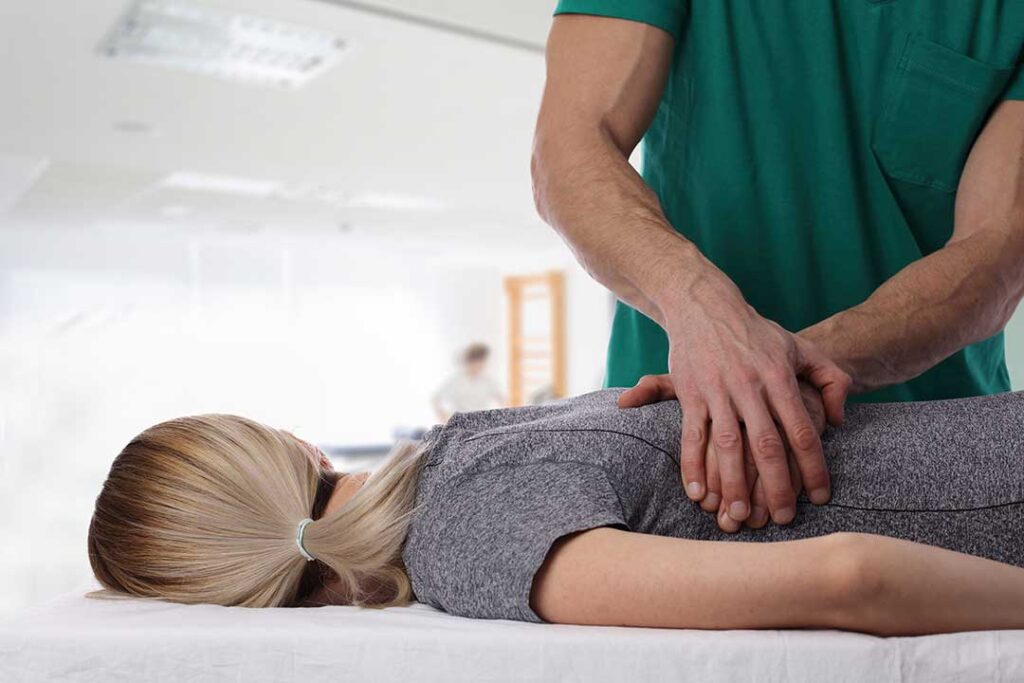
Chronic pain can affect movement, sleep, concentration, mood, and the ability to manage ordinary responsibilities. Self-care does not mean ignoring pain or handling everything alone. It means using practical daily habits to support function, reduce flare-ups, and better understand what influences symptoms.
A useful plan usually combines gentle activity, pacing, sleep support, stress management, and attention to warning signs. The right approach depends on the cause of the pain, its location, and other health conditions.
What does chronic pain self-care involve?
Chronic pain generally refers to pain that continues or returns for more than three months. Self-care focuses less on eliminating every sensation and more on improving daily function while reducing avoidable aggravation.
Helpful self-management may include:
- Tracking activities, symptoms, sleep, and stress
- Maintaining regular movement within comfortable limits
- Breaking demanding tasks into smaller steps
- Using heat or cold appropriately
- Improving sleep routines
- Discussing medicines and supplements safely
- Addressing anxiety, low mood, or fear of movement
The National Institutes of Health describes chronic pain care as a combination of approaches that can include physical therapy, lifestyle changes, behavioral strategies, medicine, and complementary methods. No single method works for everyone. ([ninds.nih.gov](https://www.ninds.nih.gov/health-information/disorders/pain?utm_source=openai))
How can movement help without causing a flare-up?
Regular, manageable movement can help preserve strength, flexibility, balance, and confidence. It may also improve sleep and mood. For some conditions, including arthritis, physical activity can reduce pain and improve function. ([cdc.gov](https://www.cdc.gov/chronic-disease/living-with/index.html?utm_source=openai))
The goal is not to “push through” severe pain. Start with an activity that feels realistic, such as:
- A five- to ten-minute walk
- Gentle range-of-motion exercises
- Water-based movement
- Light strengthening using body weight or resistance bands
- Short periods of standing and walking during household tasks
Increase time or intensity gradually rather than changing several variables at once. Mild, temporary soreness may occur after unfamiliar activity, but sharp pain, new weakness, increasing numbness, or symptoms that continue worsening should not be dismissed.
During winter in Henrietta, outdoor walking may be affected by snow, ice, wind, or uneven surfaces. Indoor walking, stationary cycling, gentle mobility exercises, or repeated short movement breaks can provide alternatives when conditions are unsafe.
Why is pacing often more useful than resting all day?
Pacing means balancing activity and recovery before symptoms become overwhelming. People with chronic pain may fall into a “push-crash” pattern: doing too much on a better day, followed by prolonged rest after a flare.
A pacing approach might look like this:
1. Identify how long an activity can be done comfortably.
2. Stop or change position before symptoms escalate.
3. Rest briefly, rather than waiting until exhaustion.
4. Repeat the activity consistently.
5. Increase the workload slowly when the current level feels manageable.
For example, instead of cleaning an entire home in one session, divide the task into shorter periods with planned breaks. This can be especially practical in households where seasonal tasks—such as moving stored items, clearing walkways, or preparing outdoor spaces—place extra demands on the back, shoulders, and knees.
Can heat or cold help chronic pain?
Heat may relax tight muscles and make movement feel easier. A warm shower, heating pad, or warm compress can be useful before gentle activity. Cold may temporarily reduce discomfort and swelling after activity for some people.
Use a barrier between the skin and the heat or cold source, and limit exposure to avoid burns or skin injury. People with reduced sensation, circulation problems, diabetes-related nerve changes, or difficulty recognizing temperature should use extra caution and ask a medical clinician whether these methods are appropriate.
Heat and cold may provide short-term comfort, but they do not explain why pain is occurring. Persistent or changing symptoms still deserve evaluation.
How do sleep and stress affect pain?
Poor sleep can increase sensitivity to pain, reduce energy, and make normal activities feel more difficult. Stress can also increase muscle tension and make it harder to maintain healthy routines. Sleep and stress management are recognized parts of self-management for several chronic pain conditions. ([cdc.gov](https://www.cdc.gov/chronic-disease/fibromyalgia/index.html?utm_source=openai))
A practical evening routine may include:
- Keeping a fairly consistent bedtime and wake time
- Limiting stimulating activities close to bedtime
- Using comfortable support for the neck, back, or legs
- Practicing slow breathing or progressive muscle relaxation
- Writing down worries or next-day tasks before getting into bed
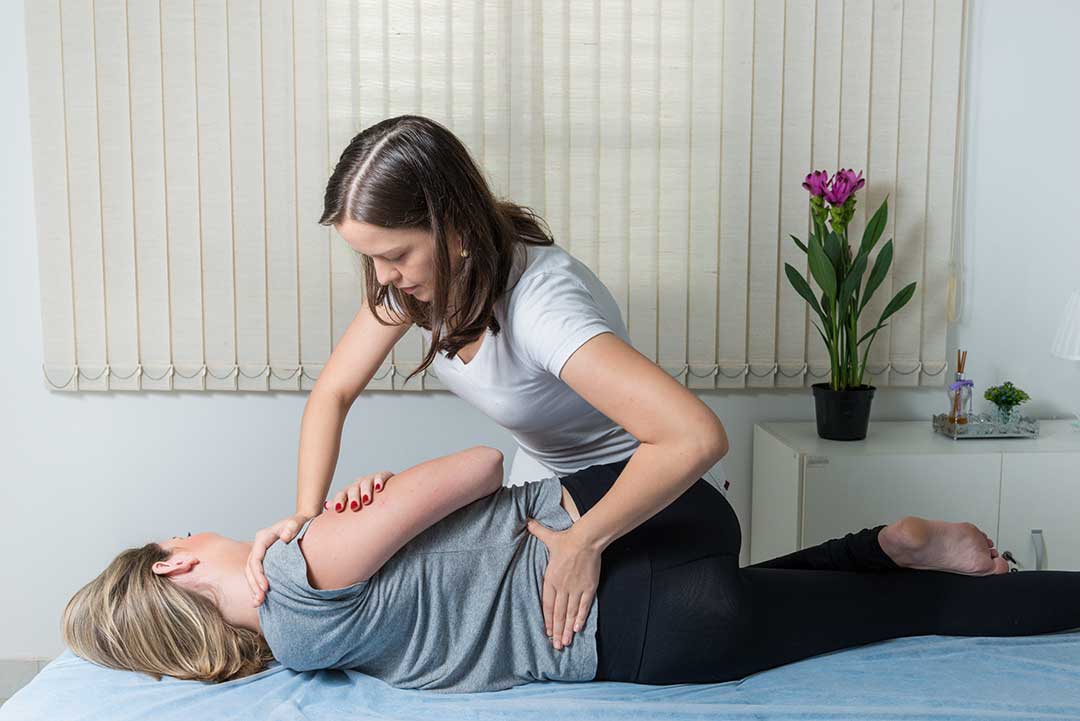
Pain-related insomnia can become a cycle: discomfort interrupts sleep, and poor sleep makes discomfort harder to manage. If loud snoring, gasping during sleep, persistent daytime sleepiness, or frequent nighttime waking is present, discuss it with a medical clinician.
Should pain, activity, and symptoms be tracked?
A brief symptom record can reveal patterns that are difficult to notice from memory. It does not need to be complicated. Record:
- Pain intensity and location
- What activity occurred beforehand
- Sleep quality
- Stress level
- Medications or self-care methods used
- How long relief or worsening lasted
Look for trends over one or two weeks rather than reacting to a single difficult day. A diary may show that symptoms increase after prolonged sitting, heavy lifting, missed meals, poor sleep, or sudden increases in exercise.
This information can also make conversations with a physician, physical therapist, chiropractor, pharmacist, or other qualified clinician more specific. Chiropractic care, massage, tai chi, and other complementary approaches may help some people, but they are not appropriate for every condition and should be considered alongside an accurate assessment. ([ninds.nih.gov](https://www.ninds.nih.gov/sites/default/files/2025-05/pain.pdf?utm_source=openai))
When should chronic pain be checked promptly?
Self-care is not a substitute for evaluation when symptoms are new, severe, or changing. Seek urgent medical attention for pain accompanied by:
- New loss of bladder or bowel control
- Numbness around the groin or inner thighs
- Sudden or progressive weakness
- Chest pain, severe shortness of breath, or fainting
- Fever, unexplained weight loss, or signs of infection
- Pain after a major fall or collision
- Severe headache, confusion, or new neurological symptoms
For ongoing pain without emergency warning signs, arrange an appropriate medical assessment if symptoms are steadily worsening, repeatedly interrupt sleep, limit ordinary activities, or require frequent medication. Medication safety matters: over-the-counter products can interact with other medicines and may be unsuitable for people with kidney disease, ulcers, blood-pressure concerns, liver disease, or other conditions. A pharmacist or medical clinician can help review safe use. ([nia.nih.gov](https://www.nia.nih.gov/health/pain/pain-you-can-get-help?utm_source=openai))
A sustainable plan is usually modest and repeatable: move within safe limits, pace demanding tasks, protect sleep, observe patterns, and adjust the approach when symptoms change.
